Does your dog seem anxious in new environments, shy around strangers, or startled by everyday sounds? Helping a nervous dog feel safe takes time, patience, and a compassionate approach. In this guide, we’ll explore practical ways to build your dog’s confidence so they can navigate the world with more ease.
Understanding Nervous Dogs
Dogs can be nervous for many reasons—genetics, past experiences, lack of socialization, or a naturally sensitive temperament. Instead of focusing on “fixing” their fear, our goal is to help them feel safe, supported, and in control of their environment.
Step 1: Create a Safe Space at Home
A calm, predictable home environment helps your dog feel secure.
Provide a quiet retreat (like a crate with the door open, a covered bed, or a designated corner).
Keep a consistent routine for feeding, walks, and rest.
Use calming aids if needed, such as white noise, pheromone diffusers, or soft music.
Step 2: Read Their Body Language
Recognizing early signs of stress can prevent your dog from feeling overwhelmed. Look out for:
Mild stress signals: yawning, lip licking, turning away, sniffing the ground.
Moderate signs: whale eye (showing the whites of the eyes), freezing, tense body posture.
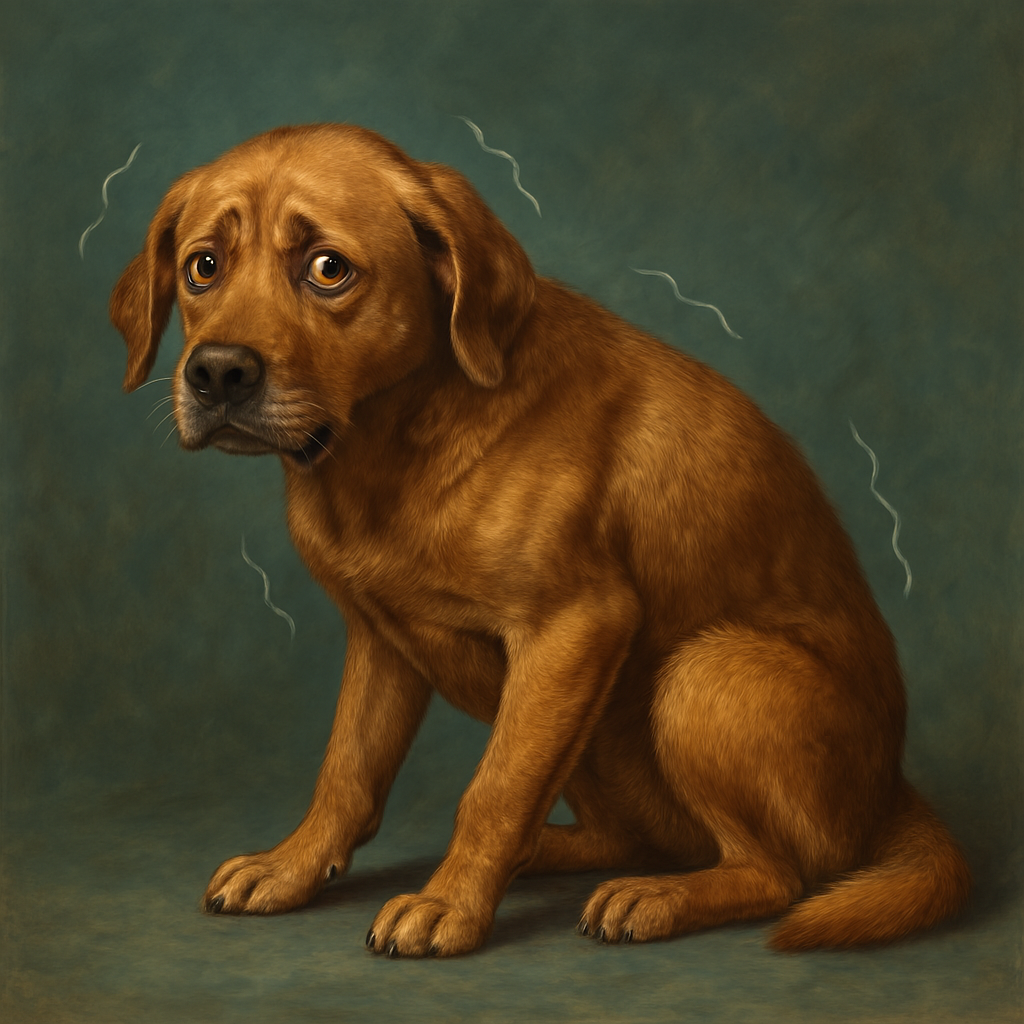
High stress reactions: trembling, hiding, growling, barking, or trying to escape.
If you notice these signals, give your dog space and support rather than forcing interactions.
Step 3: Use Positive Reinforcement to Build Confidence
Reward calm behaviours (such as relaxed body posture, checking in with you, or exploring at their own pace).
Avoid punishment, as it can increase fear and reduce trust.
Keep sessions short and successful, ending on a positive note.
Step 4: Introduce New Experiences Gradually
Instead of flooding your dog with scary situations, introduce them at a comfortable pace:
Start with low-intensity versions of triggers (e.g., playing distant recordings of fireworks before encountering them in real life).
Pair new experiences with high-value rewards (like tasty treats or favourite toys).
Let your dog choose to engage—forcing interactions can backfire.
Step 5: Encourage Calm Exploration on Walks
Nervous dogs can find outdoor environments overwhelming, but walks can also be a great confidence booster when done right:
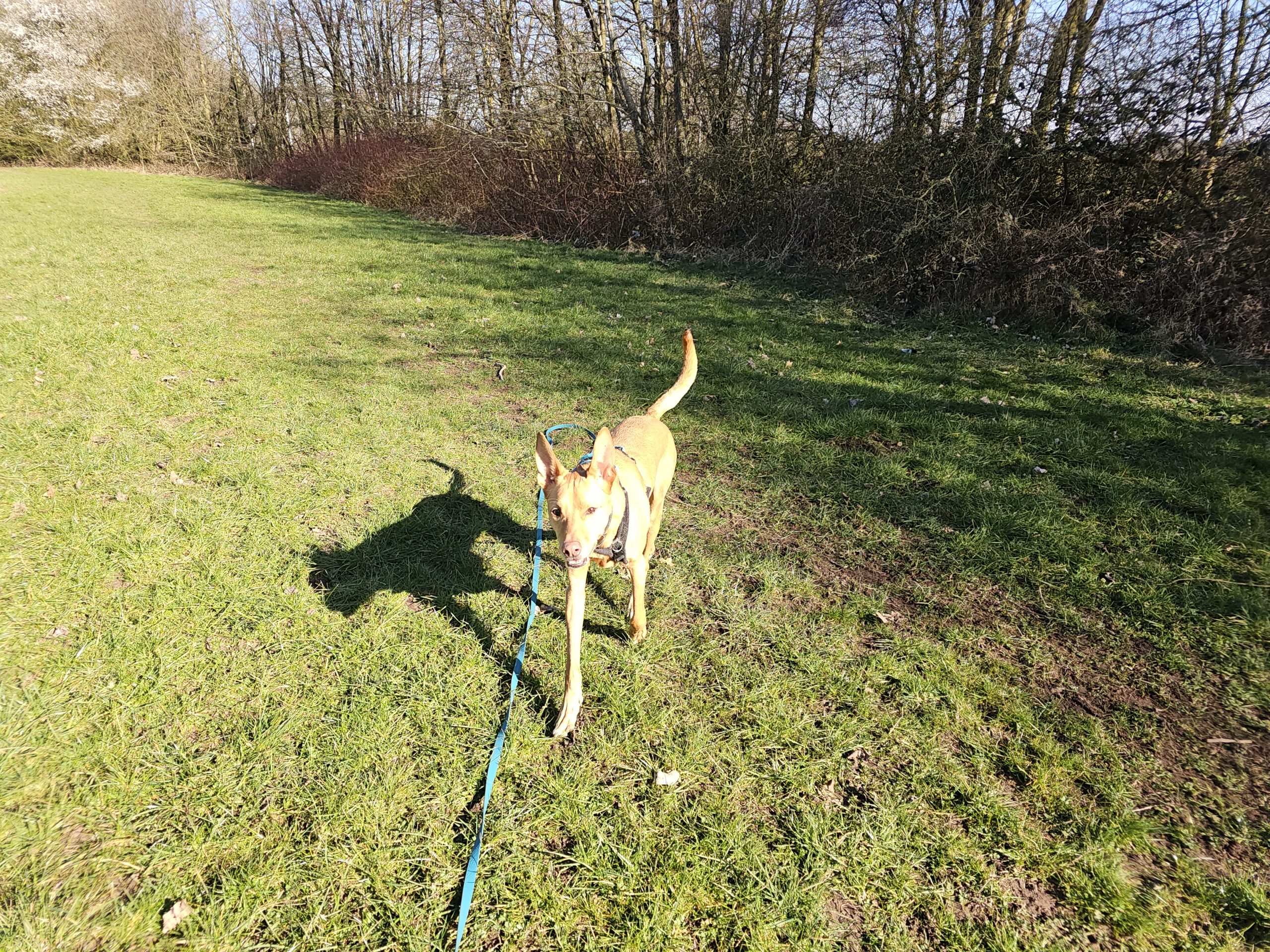
Use a long-line leash to give them freedom while keeping them secure.
Allow plenty of sniffing time—sniffing helps reduce stress.
Stick to quieter routes before gradually introducing busier areas.
Step 6: Advocate for Your Dog in Social Situations
If strangers or other dogs approach too quickly:
Politely ask people to give your dog space.
Step between your dog and potential stressors to provide a “safety bubble.”
Always prioritize your dog’s comfort over social expectations.
Step 7: Seek Professional Guidance When Needed
If your dog’s anxiety is severe, a force-free behaviourist can help develop a tailored training plan. Always rule out medical issues, as pain or discomfort can contribute to nervous behaviours.
Building a Stronger Bond
Helping your nervous dog feel safe isn’t about pushing them past their fears—it’s about showing them that you’re a trusted guide in an unpredictable world. With patience, understanding, and gradual exposure, your dog can grow in confidence and enjoy life more fully.
No responses yet