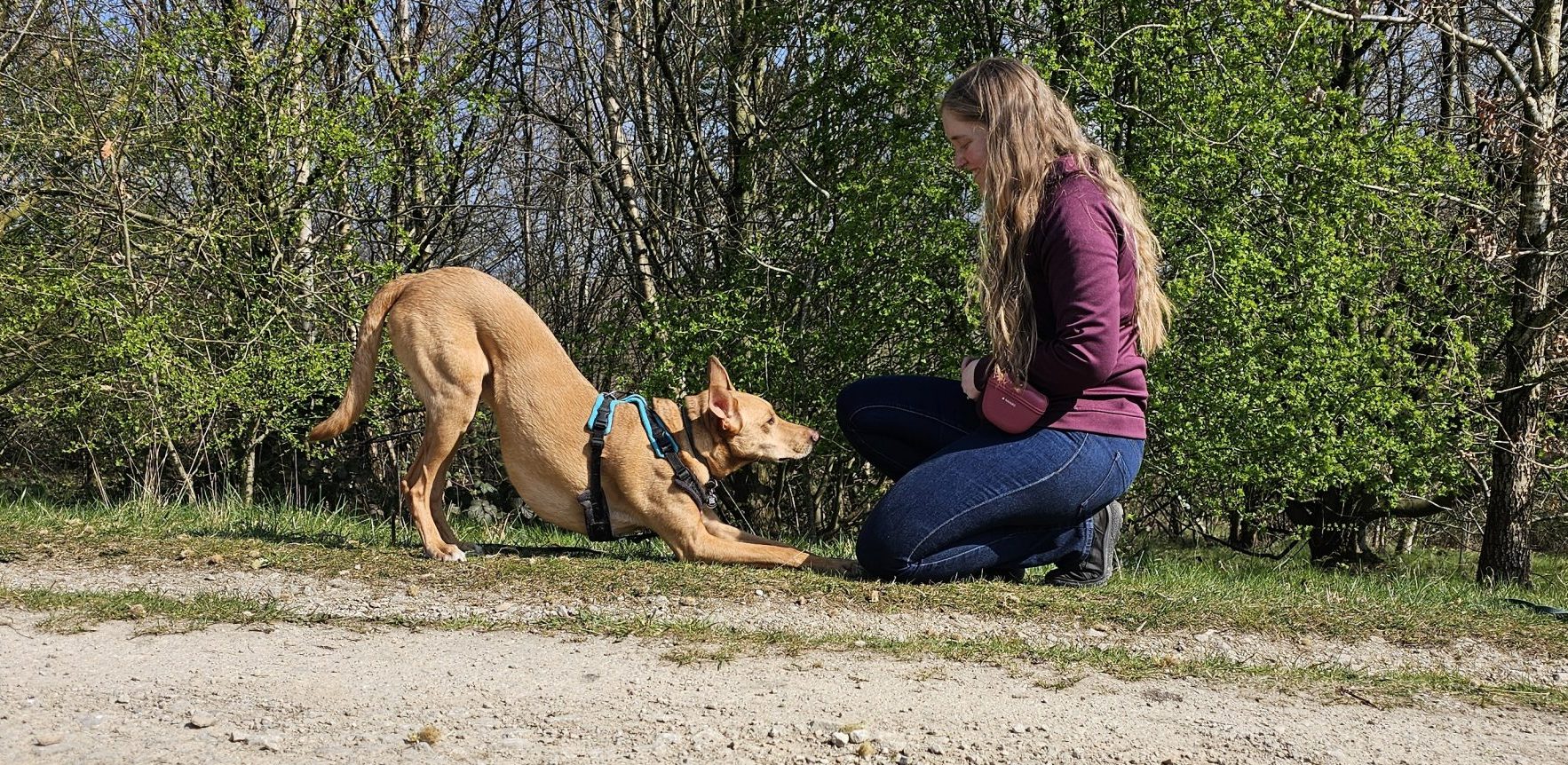
Trick training isn’t just about teaching your dog cute party tricks—it’s a fantastic way to strengthen your bond, build confidence, and provide mental enrichment. Whether it’s a simple “shake paw” or a more advanced move like spinning or leg weaves, trick training can be an enjoyable and rewarding experience for both you and your dog.
Why Trick Training is Beneficial
1. Boosts Confidence
For nervous or shy dogs, learning tricks in a stress-free environment helps them feel more comfortable and builds their confidence. Achieving small successes teaches them that trying new things is rewarding rather than scary.
2. Provides Mental Stimulation
Dogs need mental exercise just as much as physical activity. Trick training engages their brains, helping to prevent boredom and reduce unwanted behaviours that arise from frustration.
3. Strengthens Your Bond
Spending time teaching your dog tricks enhances communication and trust. The process is fun and positive, making training sessions an opportunity for connection rather than just obedience.
4. Encourages Problem-Solving
Some tricks, like teaching your dog to fetch specific items or tidy up toys, require problem-solving skills. This type of training can improve your dog’s ability to think and make choices.
5. Helps with Body Awareness and Coordination
Tricks that involve movement, like walking backward, spinning, or balancing on objects, help dogs develop body awareness and coordination, which can be beneficial for sports, conditioning, and injury prevention.
Getting Started with Trick Training
1. Start Simple
Begin with easy tricks like “touch” (teaching your dog to touch your hand with their nose) or “spin” before moving on to more complex behaviours.
2. Use Positive Reinforcement
Reward your dog with treats, praise, or play when they perform the trick correctly. This encourages them to repeat the behaviour.
3. Keep Sessions Short and Fun
Short, frequent training sessions help maintain your dog’s enthusiasm and prevent frustration. Keep it engaging and always end on a positive note.
4. Break Tricks into Small Steps
If a trick is too difficult, break it down into smaller, achievable steps. Reward each progress point until your dog masters the full trick.
5. Be Patient and Celebrate Progress
Every dog learns at their own pace. Stay patient, and celebrate even the smallest achievements to keep training enjoyable.
Fun Tricks to Teach Your Dog
Paw/Shake – A great beginner trick to build confidence.
Spin – Encourages flexibility and movement.
Bow – Teaches stretching and body awareness.
Weave Between Legs – Engages the body and mind.
Put Toys Away – A practical trick that also encourages problem-solving.
Trick training is an excellent way to enrich your dog’s life while improving their confidence, engagement, and overall well-being. No matter your dog’s age or experience level, there’s always a new trick to try!
No responses yet