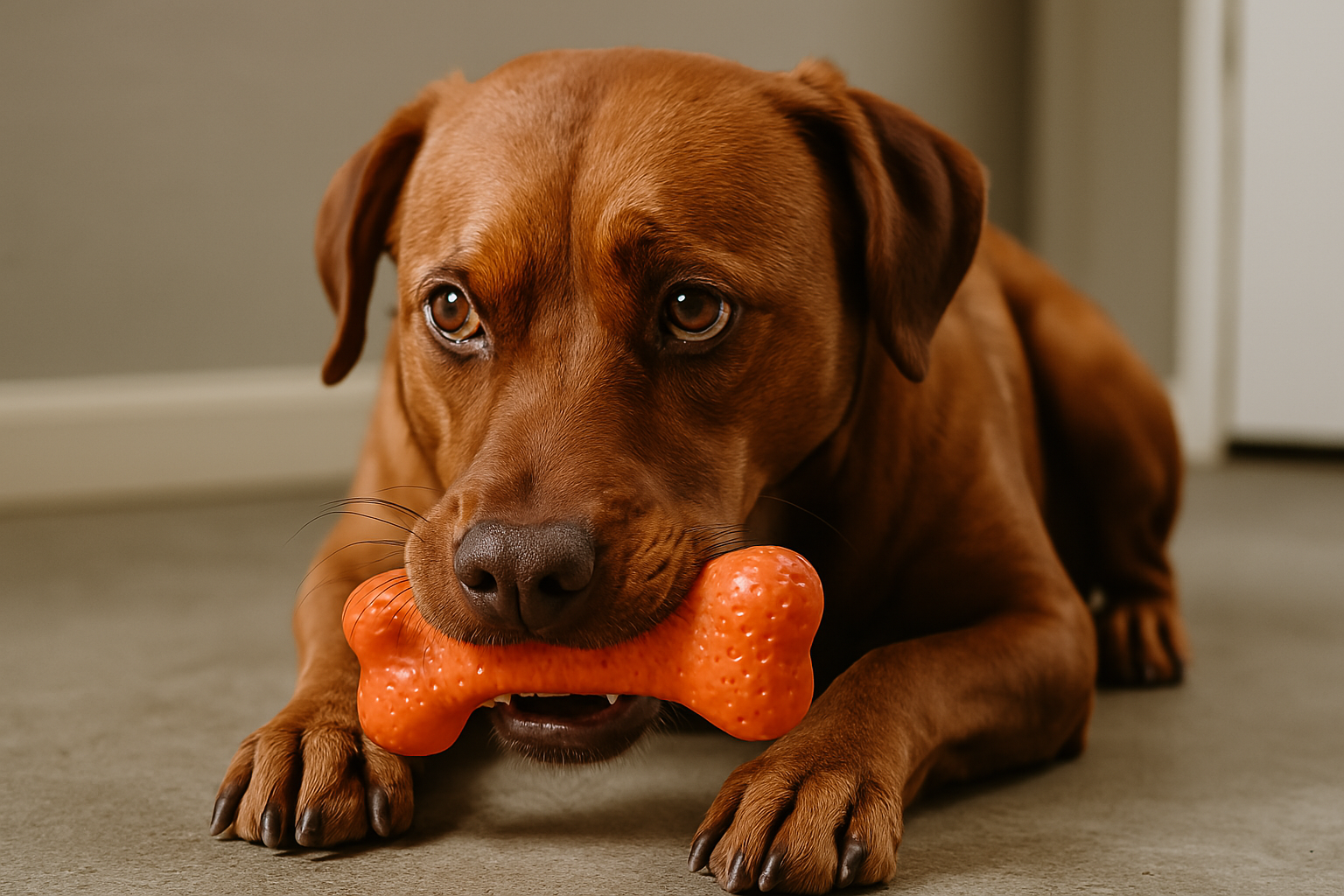
Resource guarding is a natural canine behaviour where a dog protects valued items like food, toys, or resting spots. While it’s normal for dogs to want to keep their prized possessions safe, it can become problematic if it leads to growling, snapping, or biting. Fortunately, with the right approach, you can help your dog feel secure and reduce the need to guard.
What Is Resource Guarding?
Resource guarding occurs when a dog perceives a threat to an item they value. This can happen with food, toys, chews, or even people. It may involve:
Freezing, growling, showing whites of eyes or baring teeth when approached
Snapping or biting if someone gets too close
Quickly eating food or grabbing an object to prevent others from taking it
Hiding or running away with the guarded item
Why Do Dogs Guard Resources?
Dogs guard resources for several reasons, including:
Instinct – In the wild, securing resources is key to survival.
Past Experiences – If a dog has had food or toys taken away, they may develop guarding behaviours.
Lack of Trust – If a dog doesn’t feel safe around people or other animals, they may become protective.
High Value of the Item – Some things (like bones or special treats) may be more “worth” guarding than others.
How to Prevent and Manage Resource Guarding
1. Avoid Confrontation and Punishment
Never punish a dog for guarding—it can increase their anxiety and escalate the behaviour. Instead, work on building trust and teaching them that giving things up leads to positive outcomes.
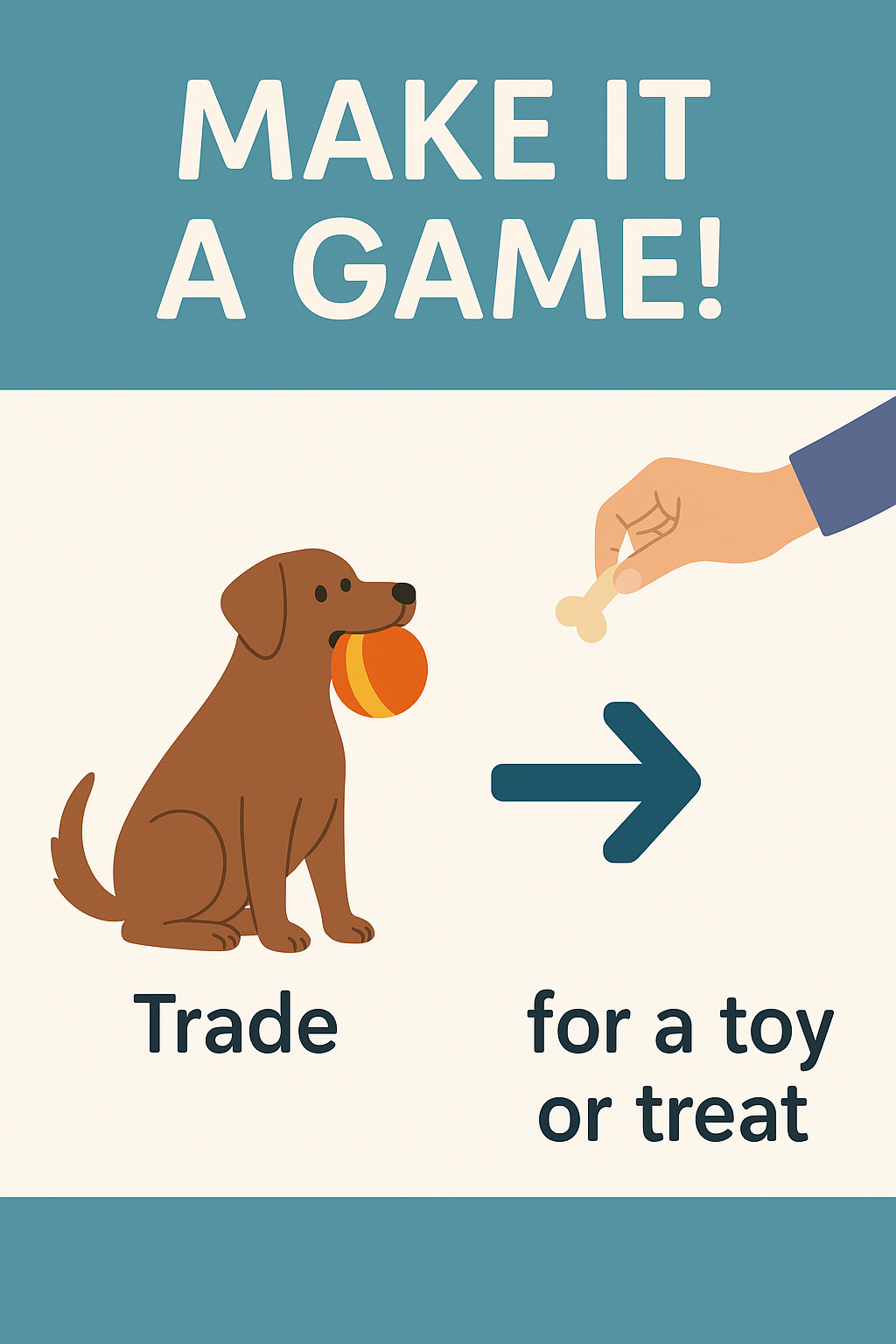
2. Trade, Don’t Take
If your dog has something they shouldn’t, avoid grabbing it away. Instead, offer a trade with a higher-value reward (like a tasty treat) to encourage them to willingly give it up.
3. Teach a Reliable “Drop It” Cue
Training your dog to let go of items willingly can prevent guarding. Start with low-value objects and reward generously with high-value items or treats when they release them.
4. Practice “Give and Take”
When your dog is eating or chewing, occasionally drop extra treats near them so they associate people approaching with something good rather than a threat.
5. Respect Their Space
If your dog guards their food bowl, avoid hovering or reaching in while they eat. Instead, create a calm, predictable feeding routine where they can eat in peace so they feel secure.
6. Seek Professional Help for Severe Cases
If resource guarding leads to aggression, it’s best to work with a qualified dog trainer or behaviourist. A structured behaviour modification plan can help address the issue safely.
Building Trust Through Positive Reinforcement
The key to reducing resource guarding is making your dog feel safe. By using positive reinforcement and avoiding conflict, you can help them learn that people near their valued possessions aren’t a threat.
No responses yet